Institute of Evolution and Ecology (EvE)

Animal Physiological Ecology


The Animal Physiological Ecology Research and Teaching Unit mourns the loss of

Prof. Dr. Ewald Müller

Ewald Müller headed our Animal Physiological Ecology Teaching and Research Unit from 1993 to 2000. He conducted research on the thermophysiology and sensory physiology of mammals, focusing on small mammals and bats in particular. He was recognised for his teaching with the State Teaching Award of Baden-Württemberg. For many years, he was chairman of the Baden-Württemberg Bat Conservation Working Group. After retiring, he also devoted himself to the biology and photography of fungi and birds.

Ewald Müller passed away unexpectedly in the night between January 17 and 18, 2026. He will always be fondly remembered for his work at the university and his extraordinary personal commitment to nature conservation and environmental protection.


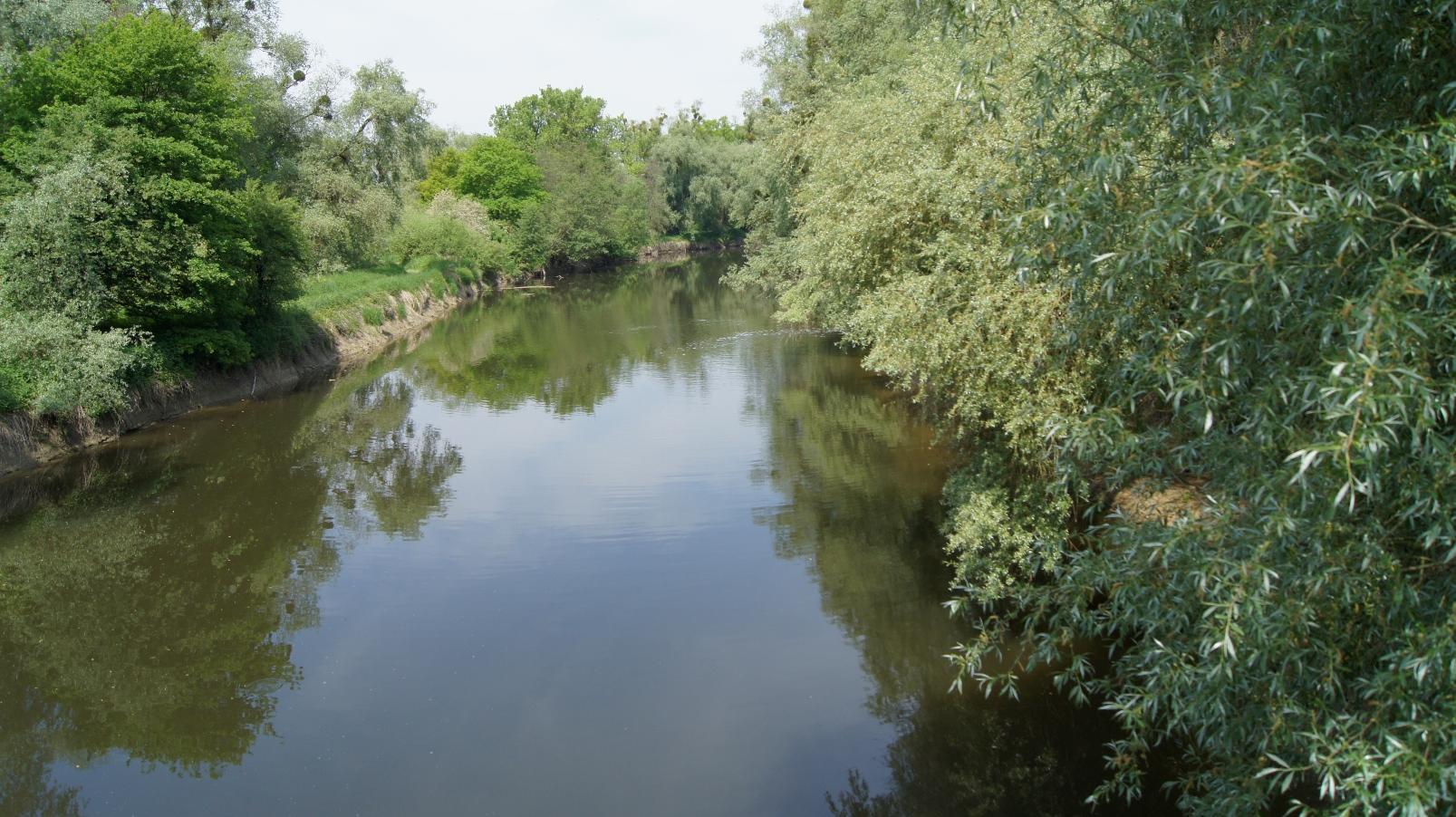
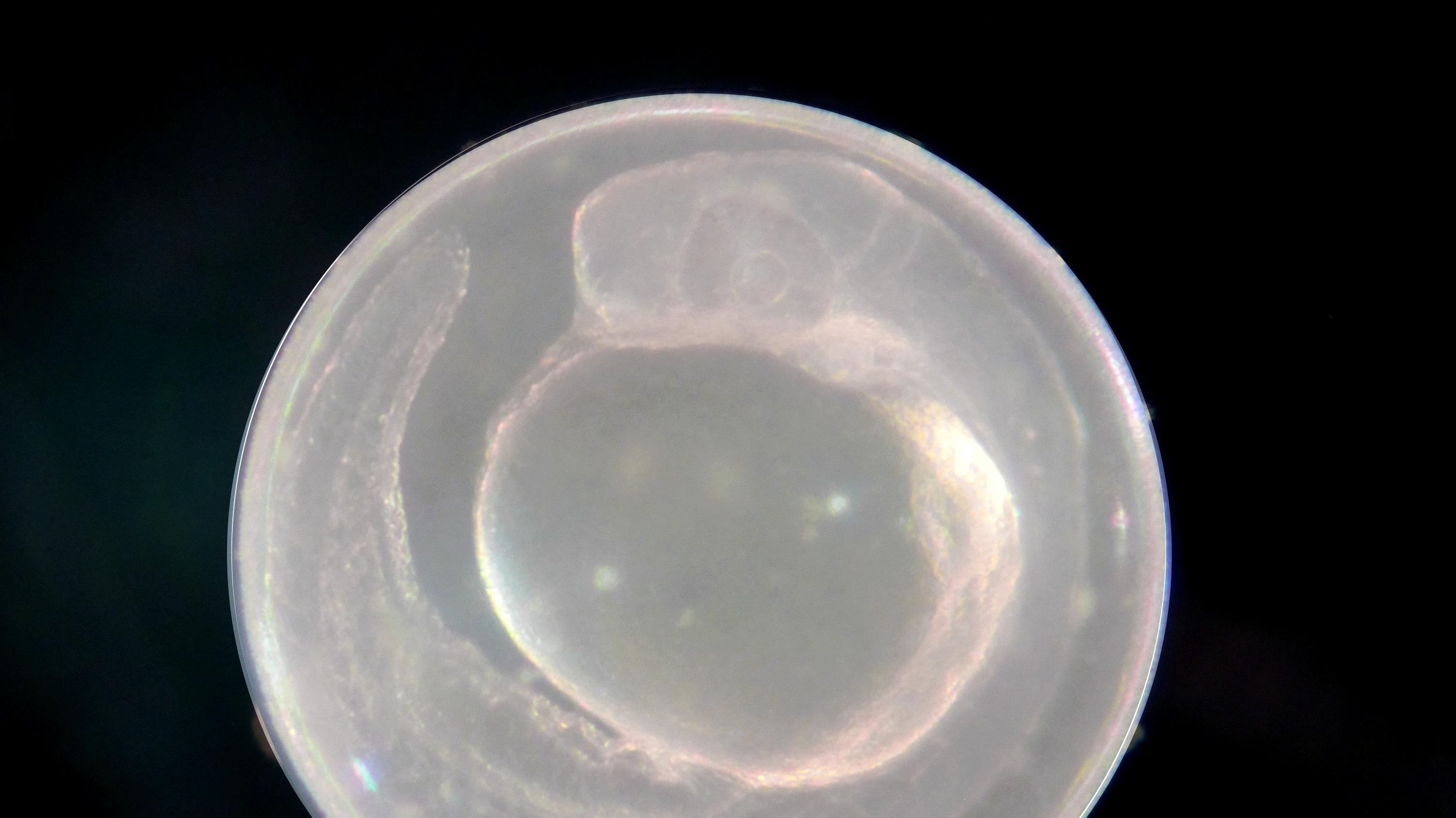
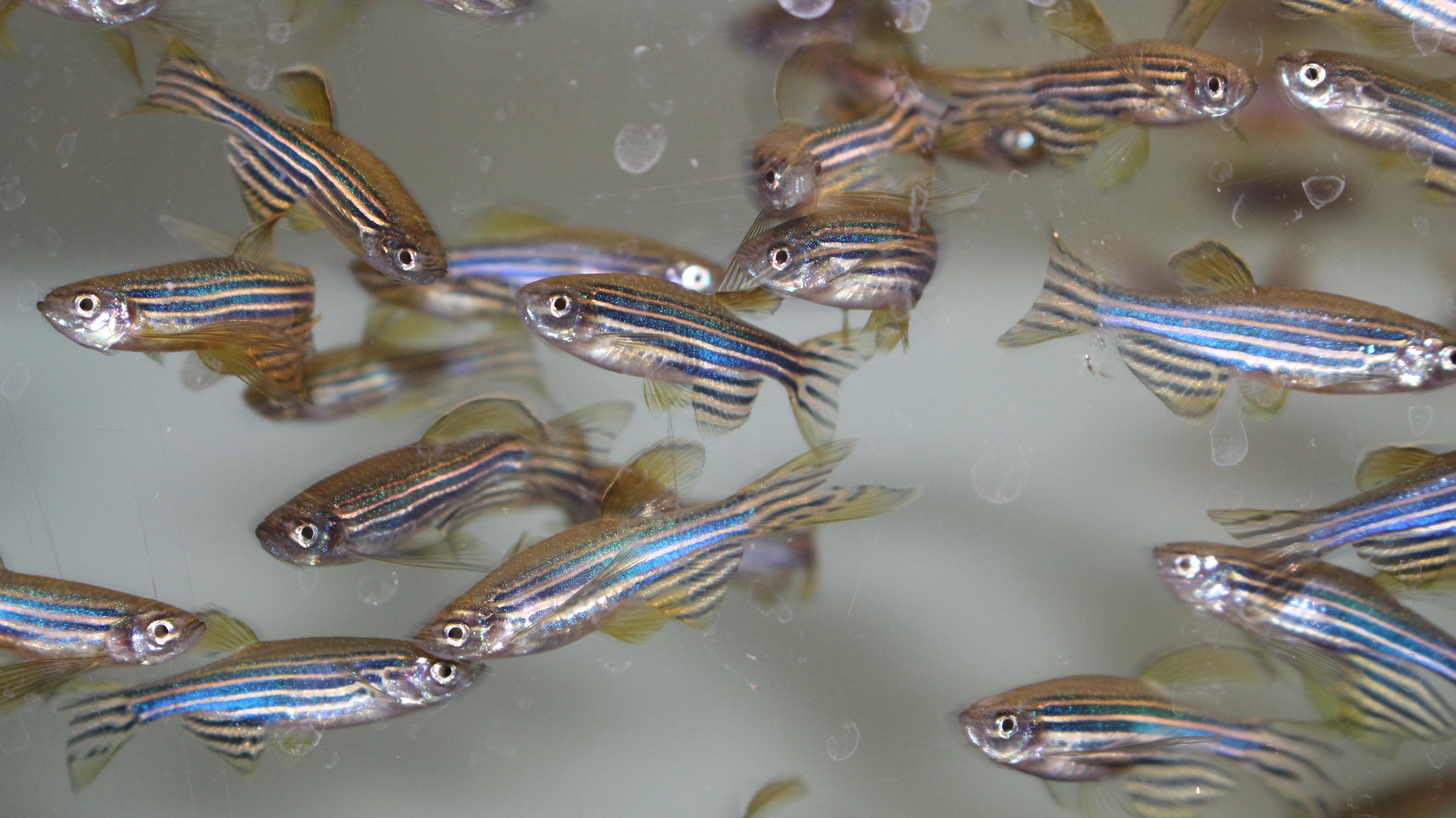
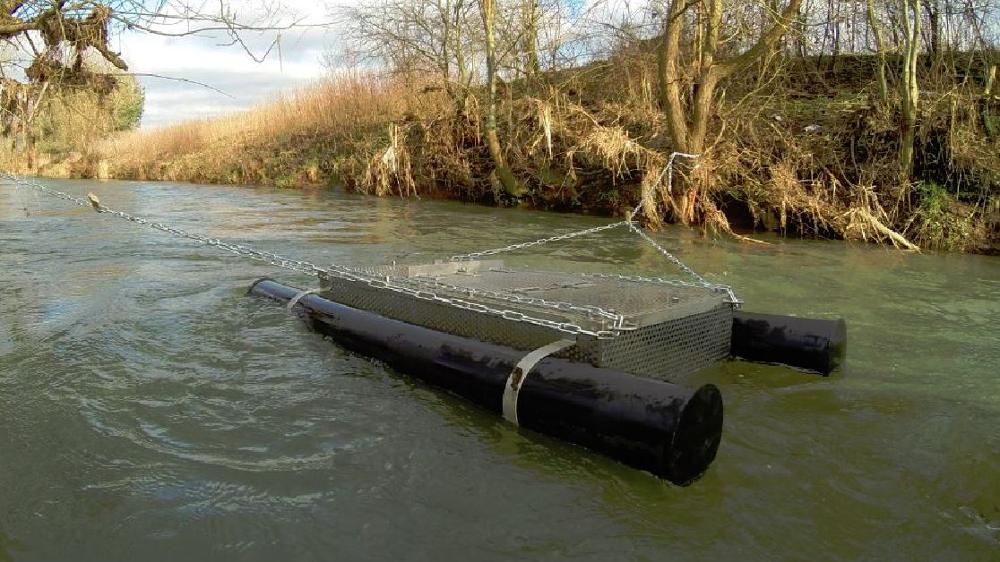
Our research group, jointly directed by Heinz Köhler and Rita Triebskorn, is interested in the impact of environmental stressors of both natural and anthropogenic origin on biotic systems at a broad spectrum of biological complexity. We focus on animals´ survival strategies and pathologies at the biochemical, cellular, individual and population levels, and their ecological, ecotoxicological and evolutionary implications. In this context, we strongly accentuate the combination of laboratory experiments and field studies, and the amalgamation of basic and applied research.

Current projects are in the fields of chemical and particle ecotoxicity, ecotoxicological monitoring and the improvement of wastewater treatment technology. In the context of global warming, we work on the ecological and evolutionary consequences of thermal stress.

We contribute to the education of both biology and geo-ecology students, particularly to those with main emphasis in ecotoxicology.


News

13/01/2026: AI helps assess environmental risks from chemicals. Press release on the development of the BCFpro app and its associated publication in J. Hazard. Mater.

25/07/2024: 2nd place for the EXTRESIGO poster in the poster competition of the Research Day 2024 (Baden-Württemberg Stiftung)

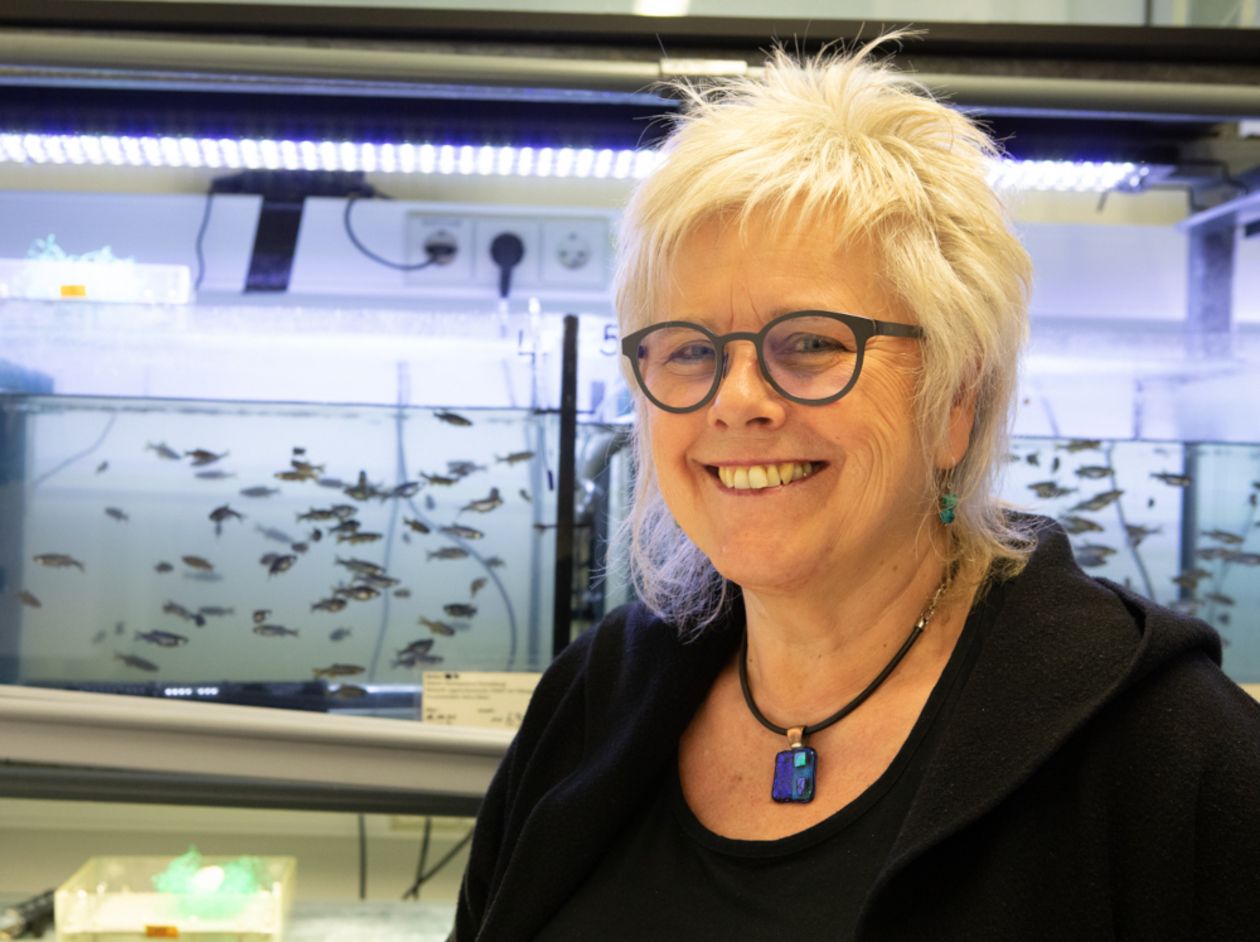
22/04/2024: Article in the Attempto! magazine about Rita Triebskorn and her research.

19/12/2023: Pictures online: Sciene Innovation Days 2023.
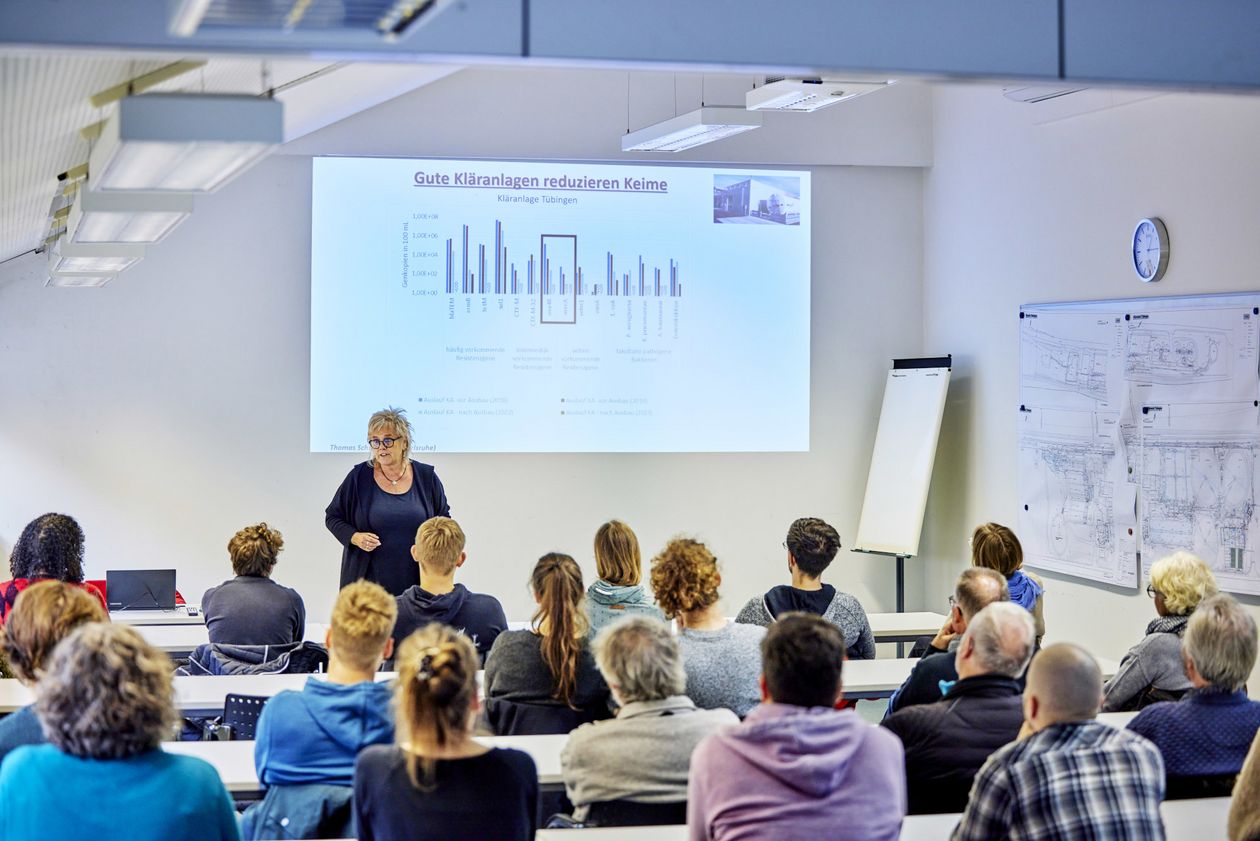
Talk by Rita Triebskorn at the wastewater treatment plant Tübingen, followed by a guided tour around the plant.

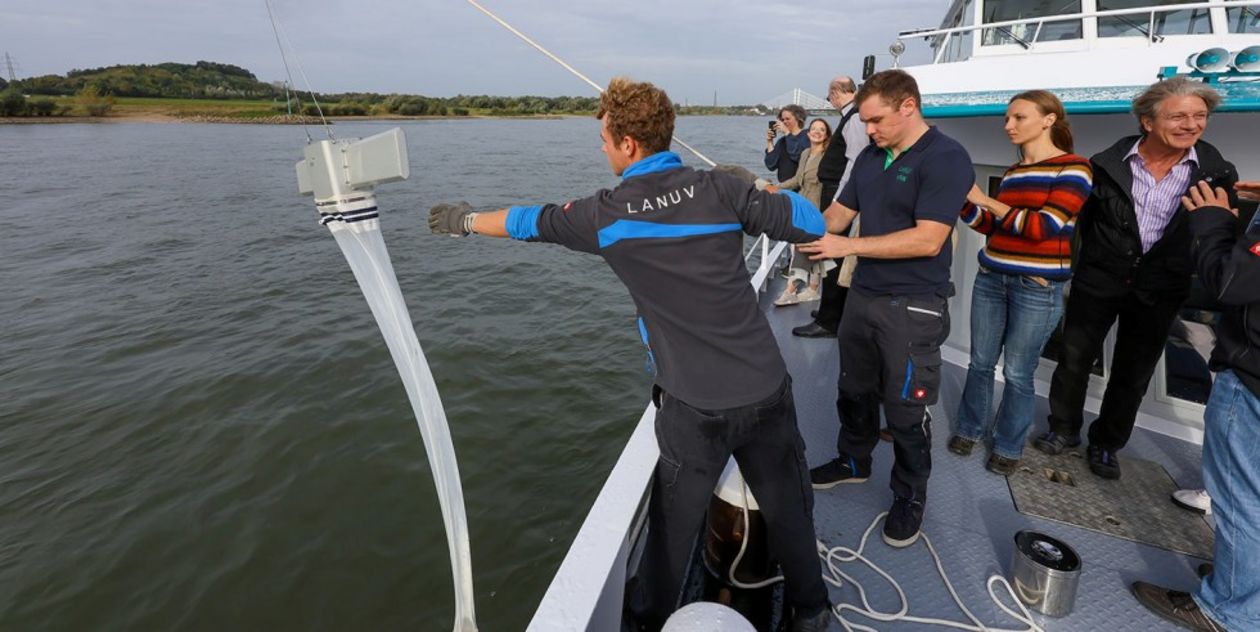
16/11/2023: Biomonitoring for the future: Report on the VDI and LANUV NRW workshop "Effect-based water monitoring" in Duisburg

20/08/2023: Getting started: EXTRESIGO - Influence of extreme weather events on the resilience of aquatic organisms.

21/04/2023: Results of the pHION project are implemented at EU level: Lowering of the environmental quality standard for the painkiller ibuprofen.

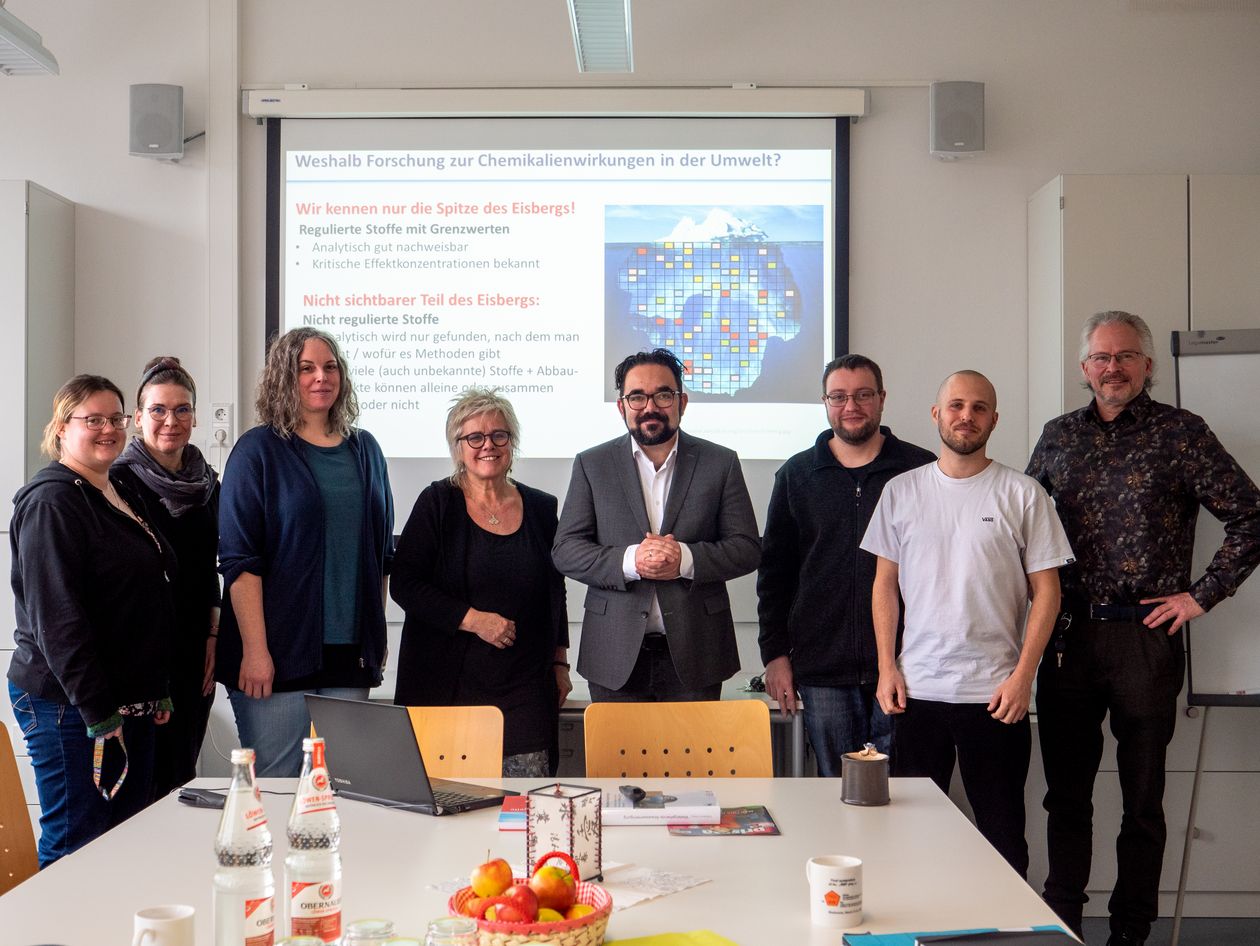
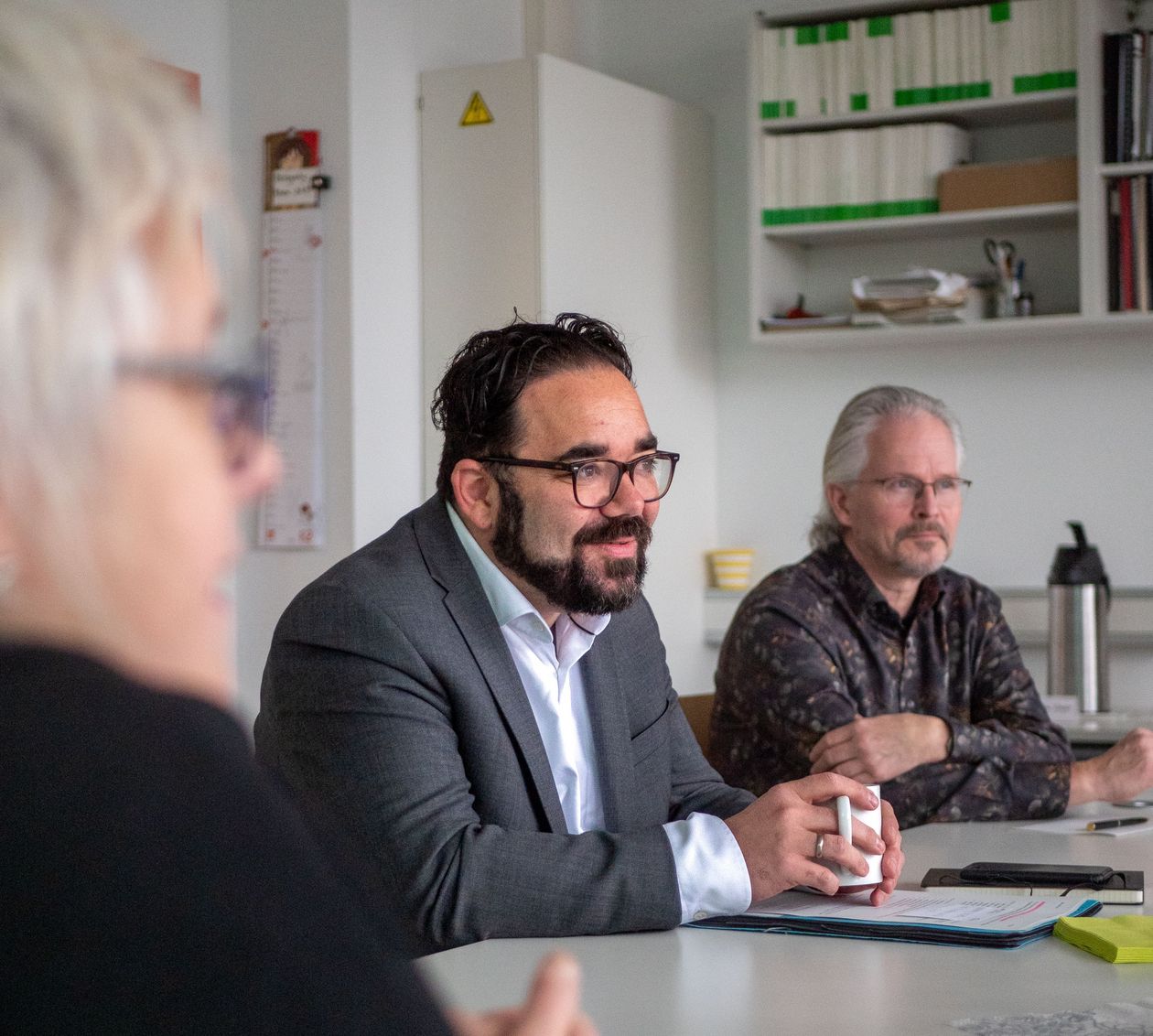
Visit by Christian Kühn on 02/02/2023.

Exciting exchange with the Parliamentary State Secretary at the Federal Ministry for the Environment, Nature Conservation, Nuclear Safety and Consumer Protection

Sustainability award 2022 goes to Tatjana Tull!

Article in GEO 04/2021 on the topic „How is plastic changing our planet?“

Research about microplastics: contribution in CampusTV live

Research about microplastics: contribution to TV series "nano"

Parliamentary evening, November 2016. DECHEMA e.V. in Berlin

Steering

Prof. Dr. Heinz-R. Köhler
room 312, 2nd floor
+49 (0)7071 29-78890
email
 

Prof. Dr. Rita Triebskorn
room 315, 2nd floor
+49 (0)7071 29-78892
email
 

Secretary

Margret Galli
Office hours Mo-Fr, 9-12
room 311, 2nd floor
+49 (0)7071 29-78869
fax: +49 (0)7071 29-35299
email
 

Address

Animal Physiological Ecology
Institute of Evolution and Ecology
Auf der Morgenstelle 5
D-72076 Tübingen
Germany

How to reach us

Looking back